varicose-veinsVaricose Veins: Symptoms, Causes, Diagnosis & Treatment
Last Updated: July 2026
Medically Reviewed By: Exacura Healthcare Team
Reading Time: 8–10 minutes
Quick Summary
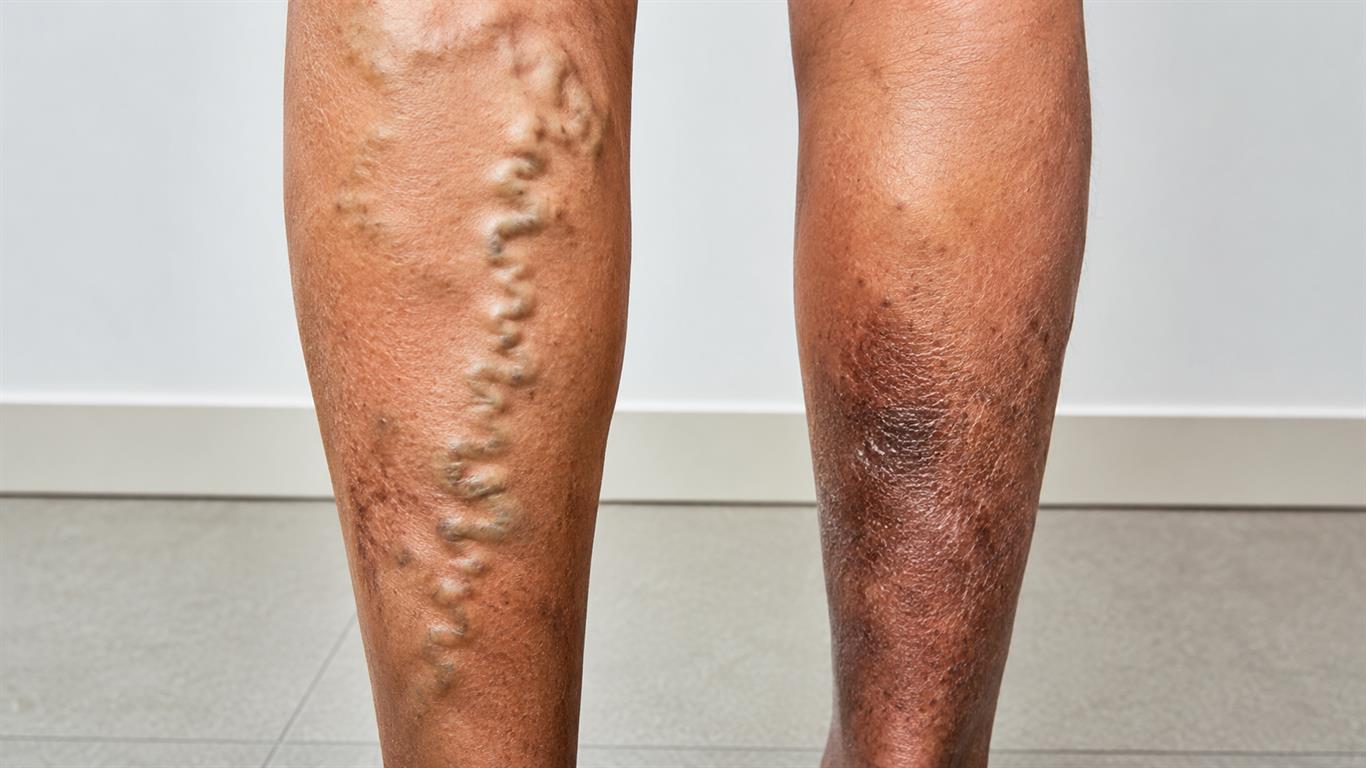
Varicose veins are enlarged, swollen, and twisted veins that usually develop in the legs when the one-way valves inside the veins become weak or damaged. This causes blood to flow backwards and collect within the veins, increasing pressure and making them more prominent beneath the skin.
Although many people consider varicose veins a cosmetic concern, they can also cause leg pain, heaviness, swelling, itching, night cramps, and skin changes. If left untreated, some people may develop complications such as chronic venous insufficiency, skin ulcers, bleeding, or recurrent infections.
A Duplex Doppler Ultrasound is the gold standard investigation for diagnosing varicose veins and planning treatment. Modern minimally invasive procedures such as Endovenous Laser Ablation (EVLA), Radiofrequency Ablation (RFA), and Ultrasound-Guided Foam Sclerotherapy provide effective treatment with minimal discomfort and faster recovery for suitable patients.
Key Facts
| Feature | Information |
|---|---|
| Condition | Varicose Veins |
| Commonly Affected Area | Legs (Superficial Veins) |
| Common Symptoms | Bulging veins, leg pain, heaviness, swelling, itching, night cramps |
| Main Cause | Weak or damaged vein valves causing venous reflux |
| Gold Standard Investigation | Duplex Doppler Ultrasound |
| Treatment Options | Lifestyle changes, compression stockings, EVLA, RFA, foam sclerotherapy, surgery |
| Specialist | Vascular Surgeon |
Did You Know?
Many people delay treatment because they believe varicose veins are only a cosmetic problem. In reality, untreated venous disease can gradually progress to chronic swelling, skin damage, venous ulcers, bleeding, and recurrent infections. Early diagnosis allows treatment before these complications develop.
On This Page
- What Are Varicose Veins?
- How Do the Veins in the Legs Work?
- Causes and Risk Factors
- Symptoms
- When Should You See a Doctor?
- Diagnosis
- Treatment Overview
- Possible Complications
- Prevention
- Frequently Asked Questions
IMAGE PLACEHOLDER (Heading 4)
Suggested Image:
Healthy Vein vs Varicose Vein
Suggested Alt Text:
Comparison of a healthy leg vein and a varicose vein showing damaged valves and blood pooling.
What Are Varicose Veins?
Varicose veins are enlarged, swollen, and twisted veins that develop when the one-way valves inside the veins become weak or damaged. These valves normally keep blood flowing in one direction—towards the heart. When they stop working properly, blood flows backwards and collects inside the veins, increasing pressure and causing them to enlarge.
Varicose veins most commonly affect the legs because blood from the lower limbs must travel upwards against gravity to return to the heart. Healthy vein valves, together with the calf muscles, help move blood efficiently. When the valves become incompetent, blood begins to pool within the veins, a condition known as venous reflux, which is the underlying cause of most varicose veins.
Although varicose veins can occur in both men and women, they are more common in adults over 40 years of age, pregnant women, people with a family history of venous disease, and individuals whose occupations require prolonged standing or sitting.
Some people experience only visible veins without discomfort, while others develop symptoms that interfere with daily activities. In advanced cases, untreated venous disease may lead to skin changes, venous ulcers, bleeding, or recurrent infections.
Medical Fact
Varicose veins primarily affect the superficial venous system. The deep veins, which carry most of the blood back to the heart, usually remain healthy. Modern treatments target only the diseased superficial veins while preserving normal blood flow through the deep venous system.
IMAGE PLACEHOLDER (Heading 4)
Suggested Image:
Anatomy of Leg Veins
Suggested Alt Text:
Illustration showing superficial veins, deep veins, perforator veins, and one-way venous valves in the leg.
How Do the Veins in the Legs Work?
The veins in your legs carry blood back to the heart after it has supplied oxygen and nutrients to the body's tissues. Unlike arteries, veins carry blood under lower pressure. Because blood from the legs must travel upwards against gravity, the body relies on healthy vein valves and the calf muscles to maintain normal blood flow.
Superficial Veins
These veins lie just beneath the skin and collect blood from the skin and surrounding tissues. Most varicose veins develop within the superficial venous system.
Deep Veins
Deep veins are located within the muscles of the legs and carry most of the blood back to the heart. They are supported by surrounding muscles and are rarely affected by varicose veins.
Perforator Veins
Perforator veins connect the superficial veins to the deep veins. Their valves ensure blood flows only from the superficial veins into the deep veins.
The Calf Muscle Pump
Every time you walk, your calf muscles contract and compress the deep veins, pushing blood upwards towards the heart. This natural pumping mechanism plays an important role in maintaining healthy venous circulation.
What Happens in Varicose Veins?
When the vein valves become weak or damaged, they fail to close properly. Blood flows backwards, a process called venous reflux, and begins to accumulate inside the superficial veins. Over time, the increased pressure stretches the vein walls, making them enlarged, twisted, and visible beneath the skin.
Persistent venous reflux can gradually damage the surrounding skin and soft tissues, leading to chronic swelling, skin changes, and other complications if left untreated.
Did You Know?
Walking is one of the best exercises for maintaining healthy veins. Each step activates the calf muscle pump, helping move blood back towards the heart and reducing pressure within the leg veins.
IMAGE PLACEHOLDER
Suggested Image:
Venous Reflux Mechanism
Suggested Alt Text:
Diagram showing healthy one-way vein valves compared with damaged valves causing blood to flow backwards.
Causes and Risk Factors
Varicose veins develop because of venous valve failure, but several factors increase the likelihood of developing the condition. In many people, more than one risk factor contributes to the disease.
| Risk Factor | How It Increases Risk |
|---|---|
| Ageing | Vein walls and valves gradually lose strength and elasticity. |
| Family History | Genetics significantly increase the likelihood of developing varicose veins. |
| Prolonged Standing | Increases pressure inside the leg veins. |
| Prolonged Sitting | Reduces calf muscle activity and slows venous return. |
| Pregnancy | Hormonal changes, increased blood volume, and pressure from the growing uterus increase venous pressure. |
| Obesity | Extra body weight places additional pressure on the leg veins. |
| Physical Inactivity | Reduces the efficiency of the calf muscle pump. |
| Previous Deep Vein Thrombosis (DVT) | Blood clots may permanently damage vein valves. |
| Previous Leg Injury or Surgery | May interfere with normal venous drainage in some individuals. |
Occupations at Higher Risk
People whose jobs require prolonged standing or sitting are more likely to develop varicose veins. Examples include:
- Healthcare professionals
- Teachers
- Security personnel
- Factory workers
- Shopkeepers
- Hairdressers
- Hospitality staff
- Traffic police
- Professional drivers
- Office workers and IT professionals
Simple measures such as walking regularly, stretching the calf muscles, avoiding prolonged standing or sitting, and maintaining a healthy weight can help reduce pressure within the leg veins and support healthy circulation.