


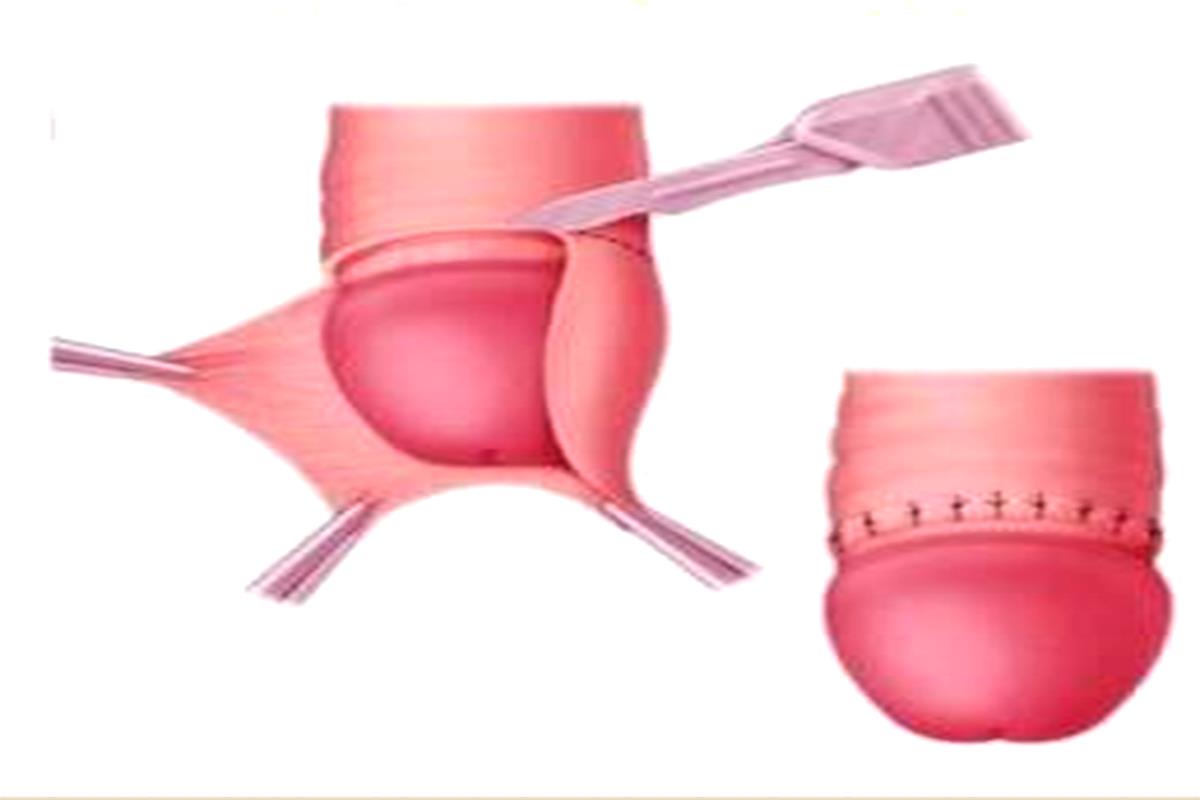
CIRCUMCISION
Circumcision is a surgical procedure in which the foreskin (prepuce) covering the tip of the penis is removed.
It is performed for medical, hygienic, cultural, or religious reasons.
In adults, circumcision is often advised when the foreskin causes pain, infection, or difficulty in retraction.
Why Is Circumcision Done
Common medical causes include:
Phimosis – tight foreskin that cannot retract
Recurrent balanitis or balanoposthitis (repeated foreskin or glans inflammation)
Paraphimosis – foreskin stuck behind the glans and cannot be pulled forward
Recurrent urinary tract infections
Chronic foreskin infections associated with diabetes
Pain during sexual intercourse due to tight foreskin
Persistent irritation from poor hygiene
High susceptibility to fungal infections, especially in diabetics
Reduced foreskin mobility affecting daily activities
Risk reduction for certain sexually transmitted infections in specific cases
Benefits of Circumcision
Better penile hygiene and easier cleaning
Reduced foreskin infections and inflammation
Lower chance of fungal infections in diabetic patients
Prevention of phimosis and paraphimosis complications
Decreased risk of urinary tract infections in susceptible individuals
Reduced risk of certain sexually transmitted infections
Improved comfort and pain-free sexual activity
Eliminates repeated foreskin-related medical visits
Enhances confidence and ease of personal hygiene
Types of Circumcision Procedures
Conventional Surgical Circumcision uses a scalpel to remove the foreskin followed by sutures.
It offers precise control and reliable results, though healing may take slightly longer.
Stapler Circumcision employs a device that cuts and seals the foreskin at once.
It provides a faster procedure, minimal bleeding, and superior cosmetic results but may cost more.
Laser Circumcision involves laser energy to cut and seal blood vessels simultaneously.
It produces minimal bleeding, less swelling, and fast healing, but requires specialised equipment.
Plastibell Technique is mainly for children and uses a small plastic ring that eventually falls off. It is not recommended for adults.
Which Procedure Is Best
For adults, stapler and laser circumcision offer quick healing, less discomfort, and excellent cosmetic outcomes.
Conventional surgery remains a dependable option where equipment is limited or when anatomy requires a manual approach.
Recovery and Aftercare
- Recovery is generally quick and comfortable. Key points include:
- Resume routine activities within 3–7 days
- Keep the area clean and dry at all times
- Wear loose, breathable underwear for comfort
- Avoid sexual activity until healing is complete
- Apply prescribed ointments as instructed
- Manage discomfort with recommended medication
- Attend follow-up checks to ensure proper healing