

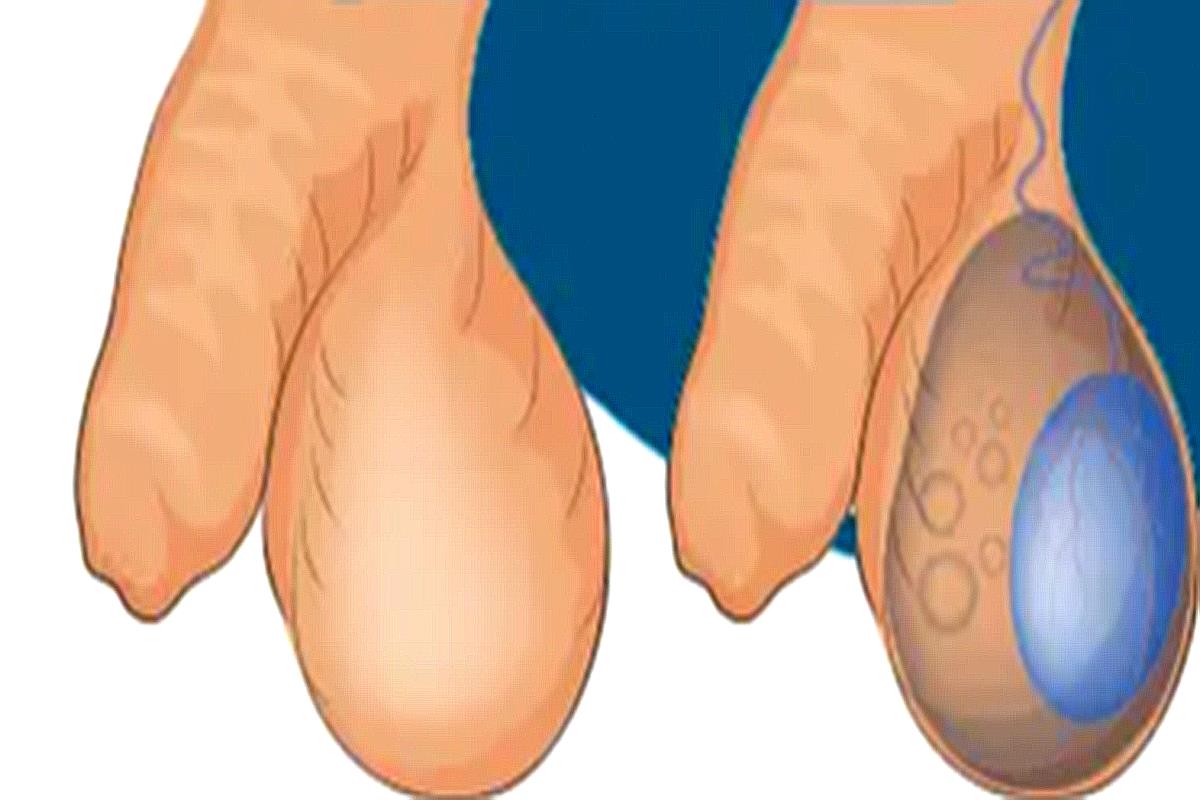
HYDROCELE
A hydrocele is a painless swelling of the scrotum caused by excess fluid around the testicle. It is common at all ages and is usually harmless, but it can cause discomfort, cosmetic concern, or rarely indicate an underlying problem that needs treatment.
What Causes a Hydrocele
- Congenital: a persistent connection between the abdomen and scrotum (processus vaginalis) present from birth
- Idiopathic/adult onset: fluid accumulates without a clear trigger
- Trauma: scrotal injury may lead to fluid collection
- Associated with hernia: a communicating hydrocele may coexist with an inguinal hernia
- Post-infectious or post-inflammatory: follows epididymo-orchitis or other scrotal infections
- Tropical causes: filariasis is an important cause of hydrocele in endemic regions of India
- Postoperative or post-procedural: may follow scrotal, inguinal, or testicular surgery
Common Symptoms
- Painless scrotal swelling that may be larger at the end of the day
- Aheavy or dragging sensation in the scrotum
- Swelling usually transilluminates (light passes through)
- Occasional mild discomfort with activity or tight clothing
- Rapid swelling, fever, severe pain, or redness suggests infection or other urgent problems
Types of Hydrocele
- Communicating hydrocele — fluid moves between abdomen and scrotum; size may change with position
- Non-communicating (encysted) hydrocele — fixed fluid collection around the testicle
- Hematocele — blood rather than clear fluid, usually after trauma
- Pyocele — pus in the scrotum from infection (requires urgent care)
When Is Treatment Needed
- Large size causing discomfort or difficulty walking
- Recurrent increase in size or progressive enlargement
- Associated inguinal hernia or suspicion of underlying testicular pathology
- Cosmetic concern or psychological distress
- Complications such as infection, hematocele, or filarial hydrocele
Treatment Options
Observation
- Suitable for infants and adults with small, painless hydroceles
- No immediate intervention required if there are no symptoms
- Hydrocele may resolve on its own in infants as the tract closes naturally
- Regular check-ups ensure there is no increase in size or associated complications
Aspiration and Sclerotherapy
- Fluid is removed using a needle and a sclerosant may be injected to prevent reaccumulation
- Useful for patients who cannot undergo surgery due to other health issues
- Not a permanent solution and has a higher recurrence rate compared to surgery
- Risk of infection, pain, and recurrence makes this a less preferred option in routine practice
Hydrocelectomy
- The most effective and definitive treatment for symptomatic hydroceles
- Performed through a small incision in the scrotum or groin to remove or evert the hydrocele sac
Treatment in Communicating Hydrocele
- Involves repairing the inguinal canal along with hydrocele correction
- Prevents future fluid accumulation and addresses associated hernias if present
- Mostly required in children or adults with size variation of the swelling throughout the day
Pros and Cons
Hydrocelectomy:
- permanent solution, low recurrence, short hospital stay;
- risks include bleeding, infection, hematoma and rare testicular injury
Aspiration/Sclerotherapy:
- less invasive, quick;
- cons are higher recurrence, infection risk, and often temporary benefit
Observation:
- avoids procedure-related risks;
- cons are persistence or progression of swelling
Which Is Better
For symptomatic or large hydroceles, hydrocelectomy is the standard and most reliable treatment.
Aspiration/sclerotherapy is reserved for specific situations (unfit patients, temporary relief);
Conservative observation suits infants and asymptomatic small hydroceles.
Risks and Complications of Treatment
- Wound infection or scrotal hematoma
- Recurrence of hydrocele (variable by technique)
- Chronic scrotal pain (uncommon)
- Injury to testicular vessels or structures (rare)
- Filarial hydrocele may need additional antiparasitic management and specialist input
Recovery
- Most patients go home the same day or after 24 hours
- Light activities within 48–72 hours unless advised otherwise
- Use scrotal support and ice packs in the first 48 hours to reduce swelling
- Avoid heavy lifting and sexual activity for 2–4 weeks depending on the operation
- Stitches removal or dissolvable; follow-up in 1–2 weeks