


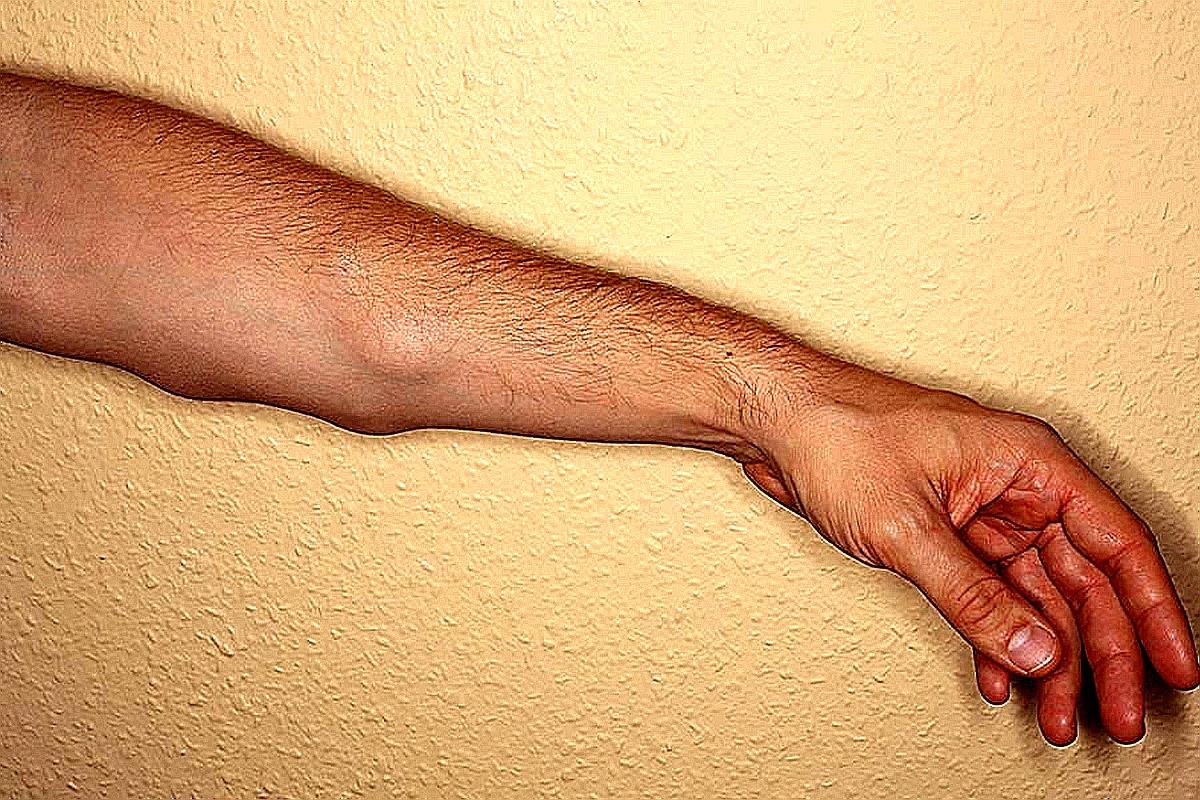
Lipoma
A lipoma is a benign, non-cancerous growth made of fatty tissue that develops just beneath the skin. It is usually soft, painless, and freely movable.Most lipomas are harmless and grow slowly, but some may cause discomfort or cosmetic concern over time.
They commonly occur on the shoulders, back, arms, thighs, and neck.
Why do Lipomas Occur
The exact cause is not clearly known, but genetics plays a major role.Lipomas often run in families and are commonly seen in adults between 30 and 60 years of age.
Lipomas do not turn into cancer.
In some cases, they may become painful or increase in size due to pressure on nearby tissues.
When to seek medical care
- Gradual increase in size.
- Pain, tenderness, or pressure in the area of the lump.
- Restriction of movement due to its location.
- Inflammation, redness, or signs of infection.
- Cosmetic discomfort or visible disfigurement.
- Unusual features such as rapid growth, firmness, or irregular shape.
Treatment Options
- Conventional Excision Surgery
- The lipoma is removed completely through a small incision along with its capsule.
- This method provides the most definitive treatment and has the lowest recurrence rate. A small scar is expected.
- Liposuction-Assisted Removal
- Fatty tissue is suctioned out through a small opening.
- Scarring is minimal and cosmetic outcome is good. Since the capsule may remain partially, the chance of recurrence is slightly higher.
Endoscopic Removal
- Small instruments and a camera are used through tiny cuts, mainly for lipomas in visible or sensitive areas.
- Cosmetic results are excellent, but the technique is suitable only for selected cases.
Recurrence of Lipoma
Recurrence is uncommon after complete surgical excision because the entire lipoma and capsule are removed.Recurrence is slightly more likely with liposuction-assisted methods if residual capsule remains.
New lipomas may appear in other areas, especially in individuals with a genetic tendency.
Recovery and Aftercare
Most patients resume routine activities within one to three days.Proper wound care, avoiding strain for a short period, and attending follow-up visits help ensure smooth healing and reduce recurrence risk.